System integration services
We connect the tools you already use so data flows smoothly and work gets done faster. From API integrations and ETL pipelines to event-driven flows and secure data exchange, we make sure your systems can speak a common language.
Connect your systems with a shared data model
CRMs, ERPs, accounting tools, e-shops, government portals – often each of them speaks its own dialect. We design pragmatic shared data models and build robust connectors so information is reliably synchronised across applications.
Our integrations focus on resilience, traceability, and ease of maintenance. Whether you need batch sync, near real-time updates, or bi-directional synchronisation with conflict resolution, we adapt the approach to your specific needs.
A typical stack includes REST/GraphQL APIs, webhooks, message queues, scheduled ETL/ELT jobs, and transformation layers. We keep things as simple as possible where it makes sense, and scalable where it's needed.
What we integrate
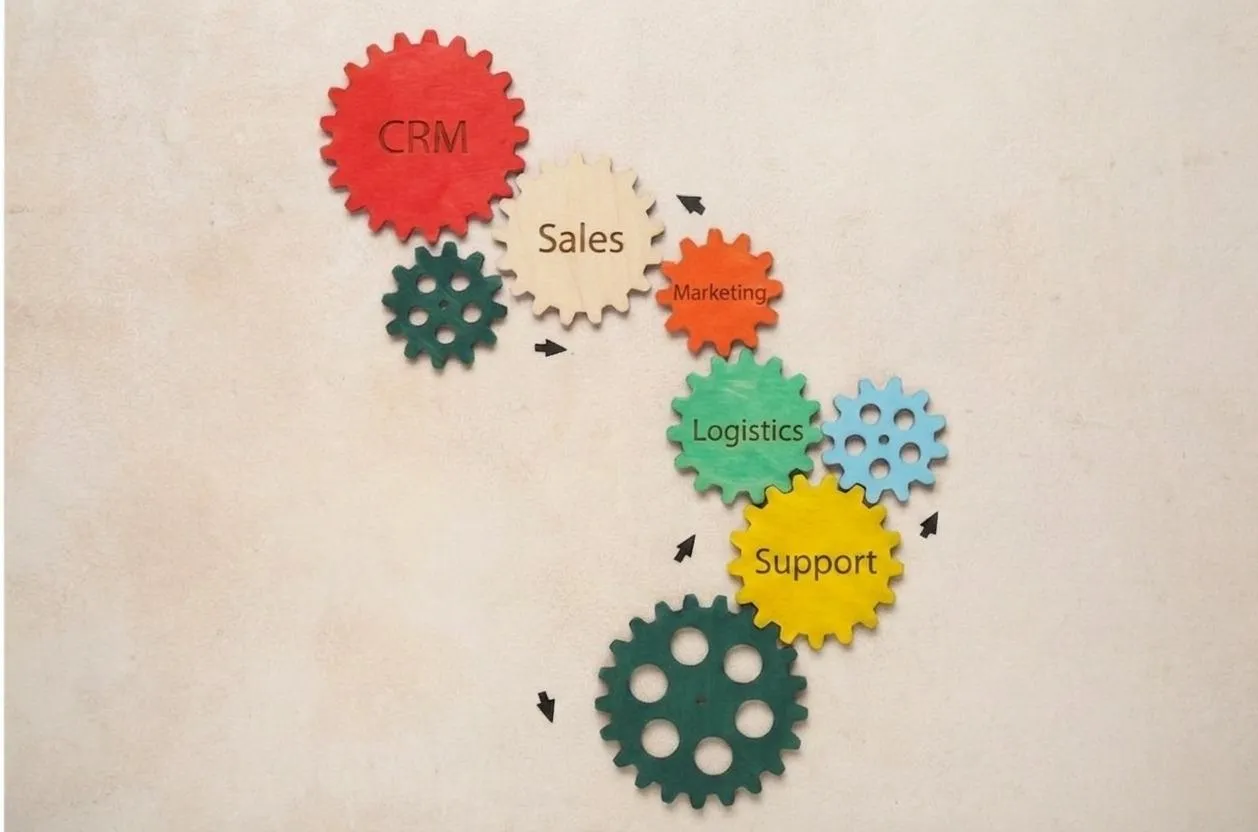
We integrate new and existing systems using stable, reliable interfaces. Automation reduces manual work, eliminates errors, and keeps your data consistent across applications.
API bridges
REST/GraphQL connectors, webhooks, and middleware for reliable data exchange.
Data synchronisation
Batch or near real-time sync with conflict handling and retries.
Transformation
Schema mapping, normalisation, and validation against a shared data model.
Security
OAuth2, API keys, IP allowlists, encryption in transit, and audit logs.
How we work
We work closely with clients to understand their business processes and data logic. The result is integrations that are stable, transparent, and easy to maintain.
Analysis & planning
We start by mapping systems, data models, and flows. We define success metrics, error handling, and process controls from day one.
Design & mapping
We prepare a technical integration design, define interfaces, and map individual fields into a unified data model, including validation rules to ensure data consistency.
Development
We build connectors, transformation logic, and orchestration with a focus on automated testing, clear logging, and observability.
Deployment & support
We handle smooth go-live, monitoring dashboards, and clear documentation. With ongoing support, integrations stay reliable even as your systems evolve.
Examples in practice
We design practical integrations that save time, automate routine work, and improve data quality.
Property registry APIs
Securely connecting to official registers to retrieve property data, ownership details, and land registry records via APIs. This supports document generation with verified data, reduces manual entry, and ensures documents reflect the latest official information.
XML feed to e-shop
Processing supplier XML feeds so products, prices, and stock levels update automatically. We validate and transform fields, handle change sets (delta updates), and schedule synchronisations to keep your e-shop up to date.
Central source of truth
Aggregating data from CRM, ERP, accounting, and e-shop systems into a central model and distributing it consistently back to individual systems. Integrations focus on reliable data flows and correct mapping. Full data governance, cataloguing, and analytics are handled in the Data Management area.
System integration FAQ
Do small businesses need system integration services?
Yes—once the same information is entered in two or more tools (CRM, invoicing, e-shop, web forms, spreadsheets). Integration reduces repetitive work, lowers errors, and gives you one reliable view of operations.
Which business systems should we integrate first?
Start where duplicate data hurts most: CRM, e-shop, invoicing, website forms, and internal reporting. We prioritize connections with the biggest daily impact before expanding to additional systems.
Will system integration disrupt our daily operations?
Not when rolled out correctly. We deploy in tested steps with rollback options where needed. The goal is stable improvement—not a risky all-at-one switch.
Can we start with one integration and add more later?
Yes—that is our usual approach. We connect one high-value data flow first, prove the results, then scale to more systems with lower risk.
Want your systems to work smoothly together?
Let’s map your data flows and build integrations that are easy to manage and flexible enough for future growth.
Contact us